Iran has transferred approximately $2.7 billion worth of weapons to Russia over the past few years, deepening military cooperation between the two countries amid rising global tensions. Western security officials assess that Tehran has provided Moscow with a significant number of Fateh-360 short-range ballistic missiles, approximately 500 additional short-range ballistic missiles, and around 200 surface-to-air missiles (SAMs) used for air defense. These contracts were reportedly signed starting in late 2021. These systems are part of a larger military partnership that also included Iran supplying Shahed-136 “kamikaze” drones and sharing technology, enabling Russia to produce its own version, known as the Geran-2 drone.
The flow of military equipment from Tehran to Moscow did not begin with Russia’s full-scale invasion of Ukraine in February 2022. The missile supply contracts date back to October 2021, months before the war began, and continued throughout the conflict, which has now lasted nearly four years. According to Western officials cited by Bloomberg, the total value of these missiles and defense systems is approximately $2.7 billion, part of a larger sum exceeding $4 billion when ammunition, artillery shells, drones, and related technology are included.
The Fateh-360 is an Iranian-made short-range ballistic missile with an estimated range of approximately 120 km. It is designed for rapid deployment, precision targeting, and battlefield flexibility, and has become a symbol of Iran’s growing military production capabilities. The surface-to-air missiles supplied alongside these systems are intended to bolster air defenses, allowing Russian forces to protect critical military assets or territory from aerial attacks.
Shahed-136 drones, often referred to as “kamikaze” UAVs, have been used extensively on the Ukrainian battlefield. These inexpensive, disposable drones can directly attack ground targets, and the technology transfer has enabled Russia to manufacture similar systems under license. The combination of drones, ballistic missiles, and air defense systems from Iran has provided Moscow with a diverse array of weapons for both offensive and defensive operations in its war against Ukraine.
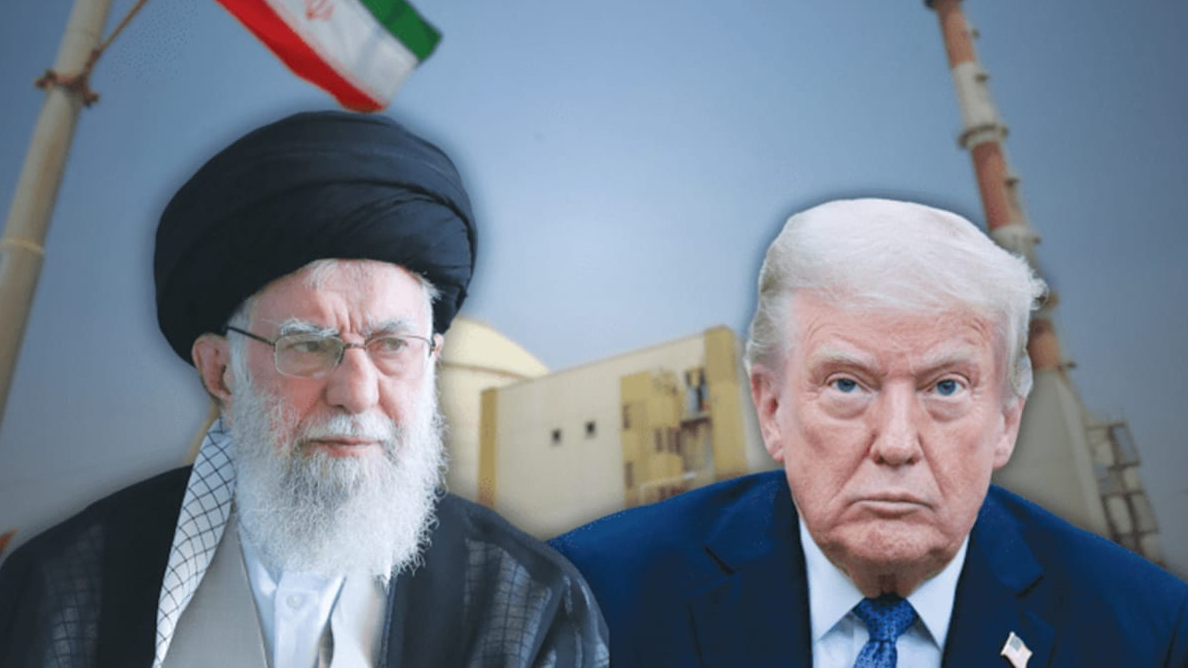
These weapons transfers have been strongly criticized by the United States and other Western nations, which view Iran’s support for Russia as destabilizing and a violation of international norms. This partnership also complicates global geopolitics at a time when former US President Donald Trump has been criticized for focusing on Russia and its leader, Vladimir Putin, amid the Ukraine conflict, while Tehran expands its military influence. Trump’s approach—which has included threats and strategic decisions—has been part of a larger debate about how the US should balance pressure on both Moscow and Tehran.
The Iranian government has not publicly confirmed the full extent of these weapons transfers. Official statements from Tehran and Moscow are limited, and verification is difficult due to internet restrictions in Iran. Nevertheless, the reported $2.7 billion in arms exports highlights the strength of the Russia-Iran military relationship and poses challenges for Western foreign policy as it seeks to respond to both the Ukraine war and rising tensions in the Middle East.
Read More: Iran unveils murals warning of retaliation against US after Trump threats